
Why Everyone Is Shopping Vintage Right NoW— And Why It Makes Perfect Sense
Something has shifted in the way people are thinking about their homes. After years of fast furniture — flat-packed, disposable, designed to last just long enough — buyers are starting to ask a different question. Not "what's available?" but "what's worth keeping?"
The answer, more and more often, is turning out to be something old.
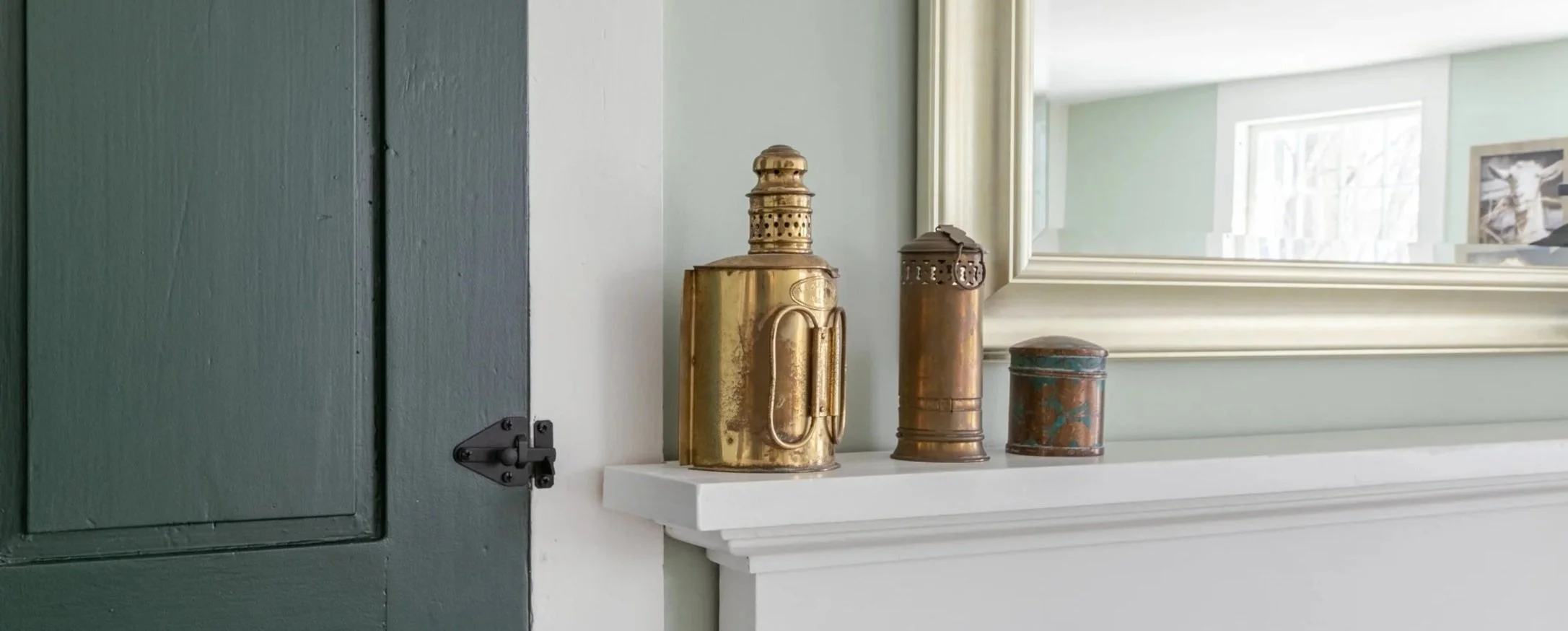
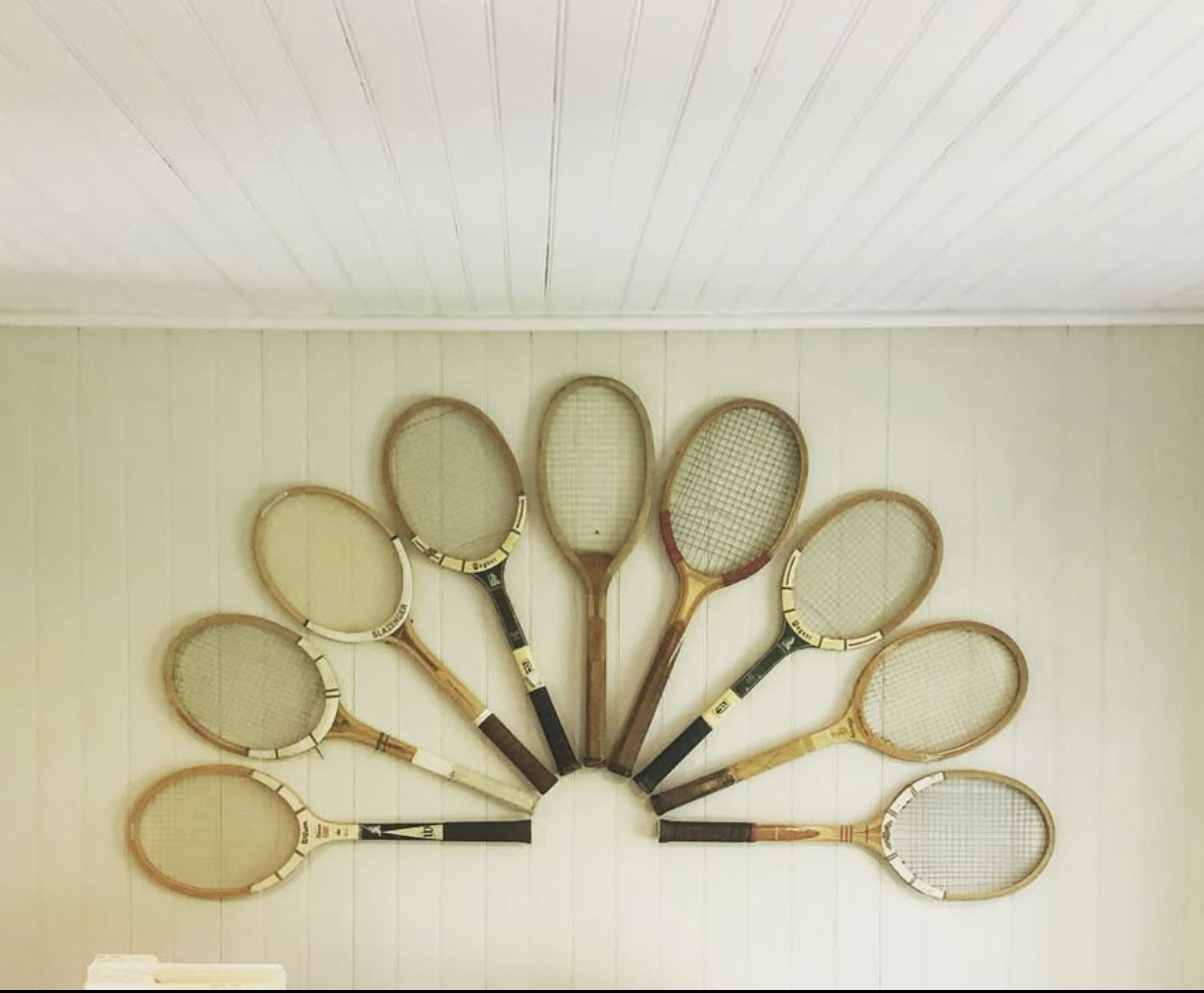
Beyond furniture, the smaller finds are where things can get really fun — art, mirrors, ceramics, vessels, textiles. There is no bottom to that well.
The resale and refinishing market in 2026 is experiencing a real boom — and not just among collectors or design nerds. Younger buyers in particular are fueling a surge in demand for vintage and antique pieces that have character, craftsmanship, and a story behind them. Design media has names for what they're seeing: "modern heritage," "grandmacore," "folklectic”— but the underlying instinct is simpler than any trend label: people want things that feel real and most importantly, LAST.
The things that stand the test of time always come back around. Good bones, honest materials, real craftsmanship — these never actually went out of style. What we’re seeing right now isn’t so much a trend, but a course correction.
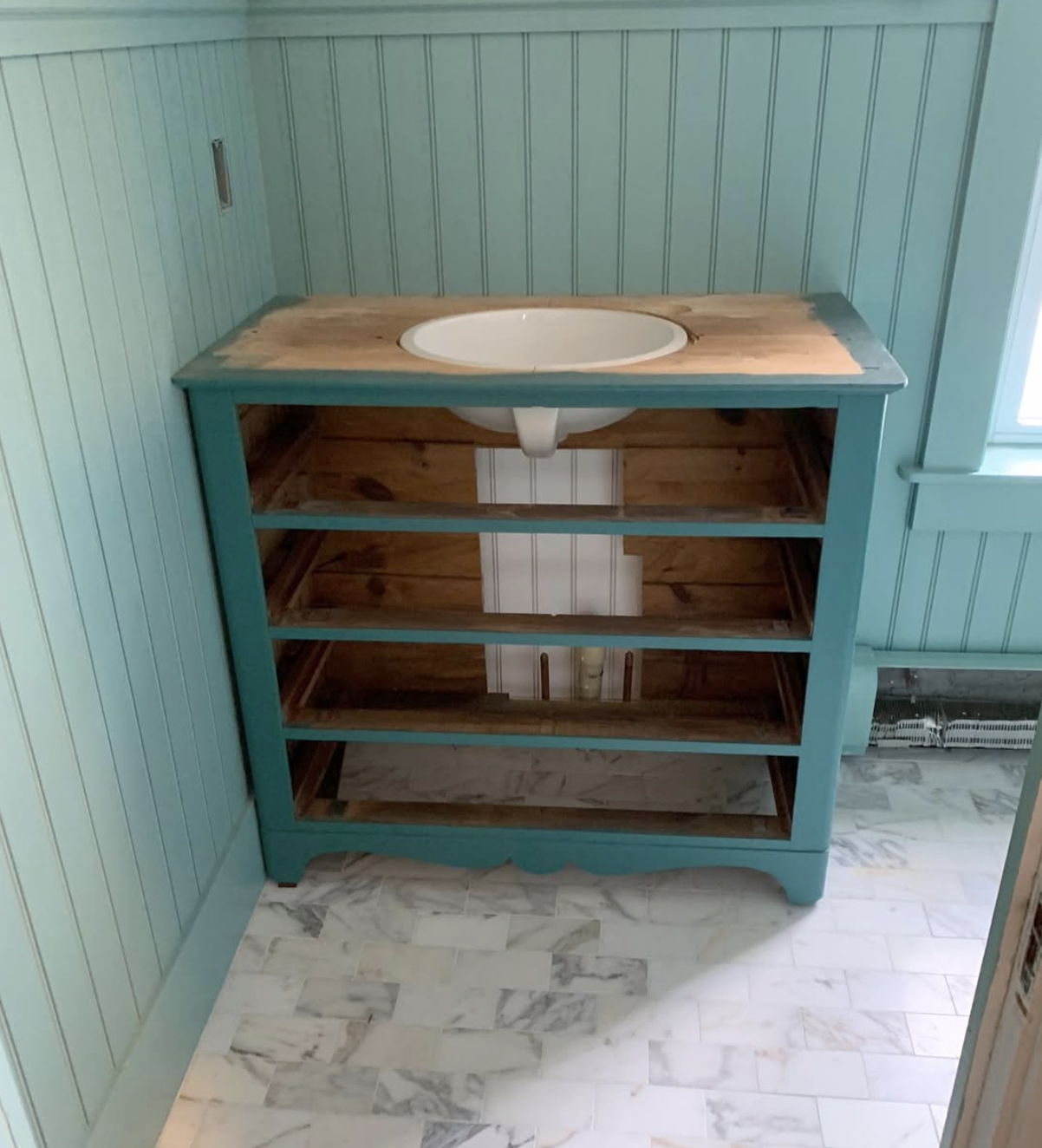
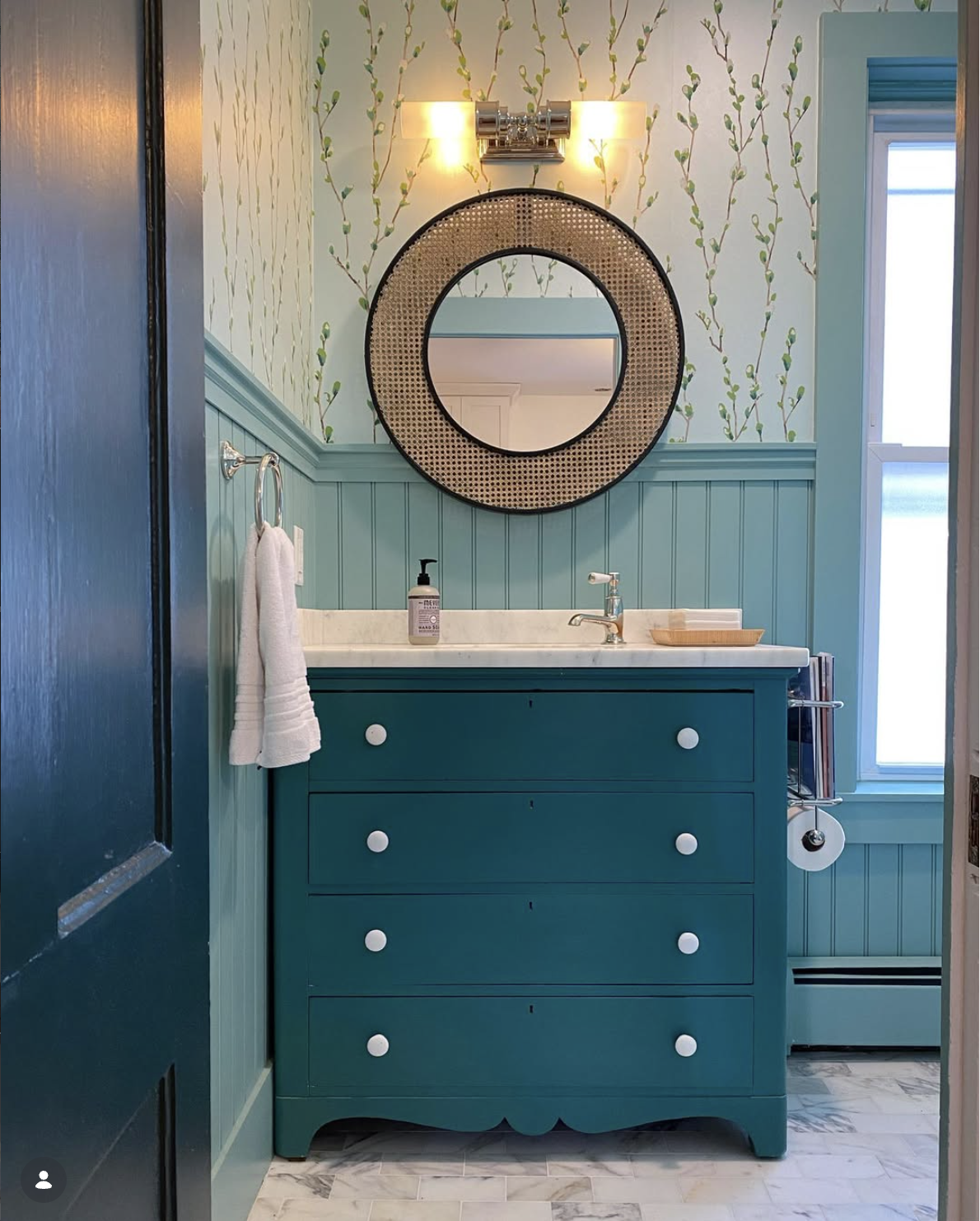
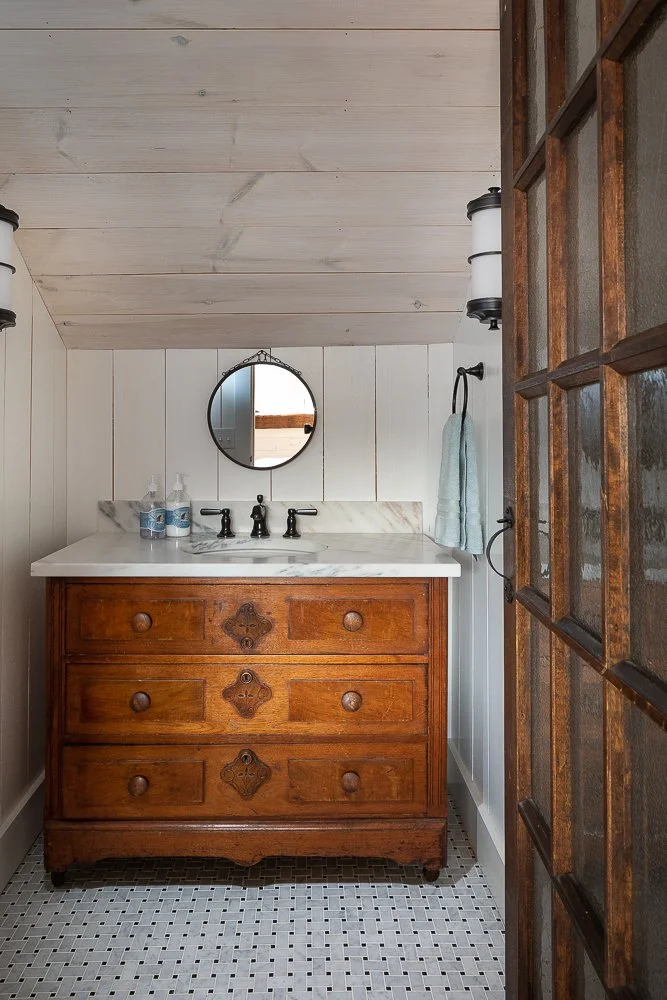
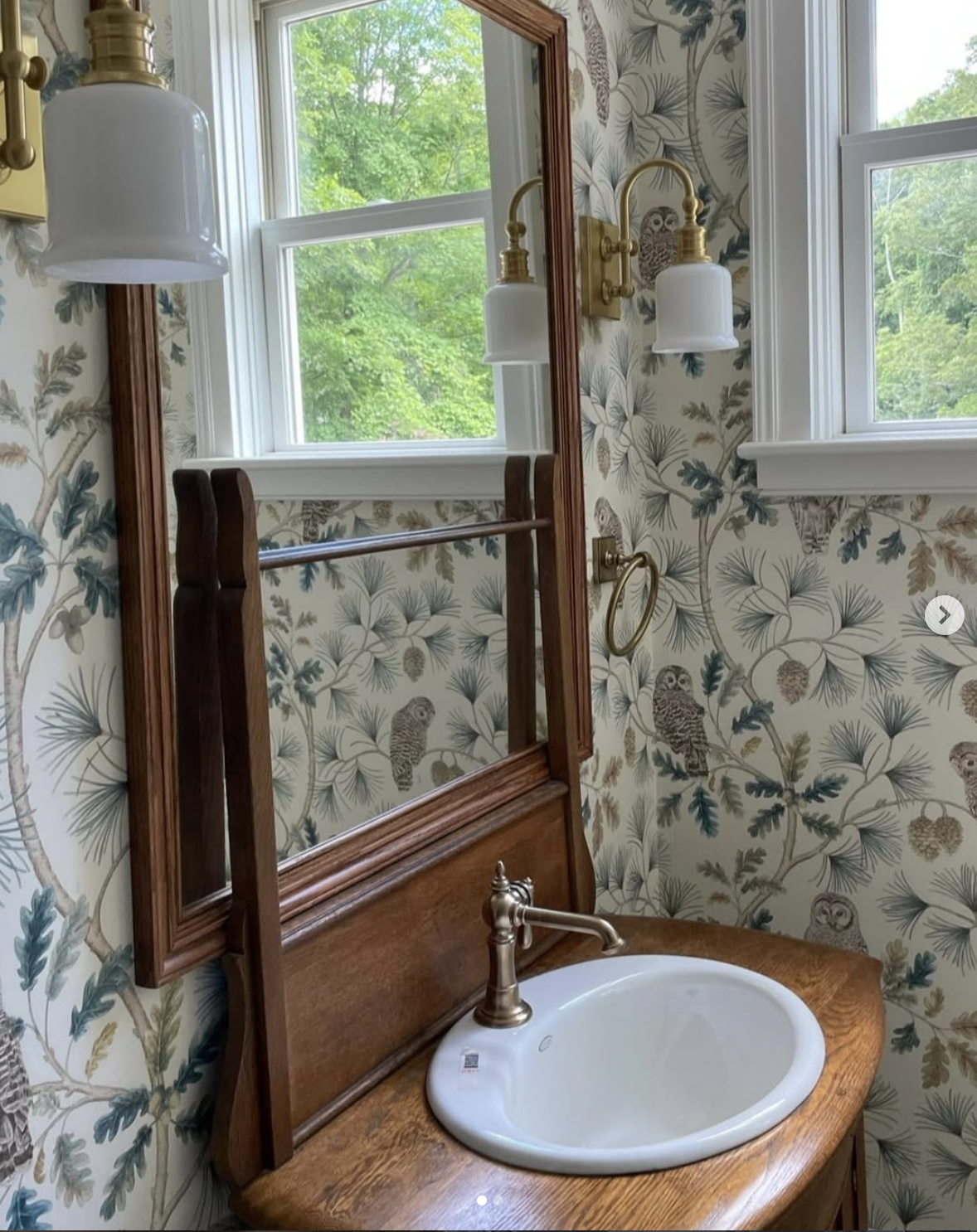
One of my favorite bathroom tricks: convert an antique dresser into a vanity.
Add a marble or light-colored natural stone top and the contrast against deep, rich wood tones or bright paint is just chef's kiss. Plus — and this is the practical win — antique dressers almost always have deeper drawers than modern vanities, which means significantly more storage.
The one thing I'll always tell a client: plumbing placement can make or break this project. Working with someone who knows what they're doing isn't optional — it's what protects the piece. Do it right and you'll have a vanity that no one else has, in a bathroom that actually feels like something.
The Return of Brown Furniture
For the better part of a decade, the design world was awash in light oak, white paint, and bleached wood. The palette was clean, calm, and — in my opnion, a little cold. Now the pendulum is swinging back toward warmth, depth, and richness. Darker woods like mahogany, walnut, and cherry are having a genuine revival. Pieces that were passed over at estate sales five years ago because they were "too brown" are now exactly what people are looking for.
This matters for antique hunters because it means the pieces most likely to be underpriced at sales right now are the ones with real presence — the heavy carved chests, the dark mahogany sideboards, the walnut secretary desks. They were out of fashion long enough that prices dropped. Now they're coming back, and quickly.
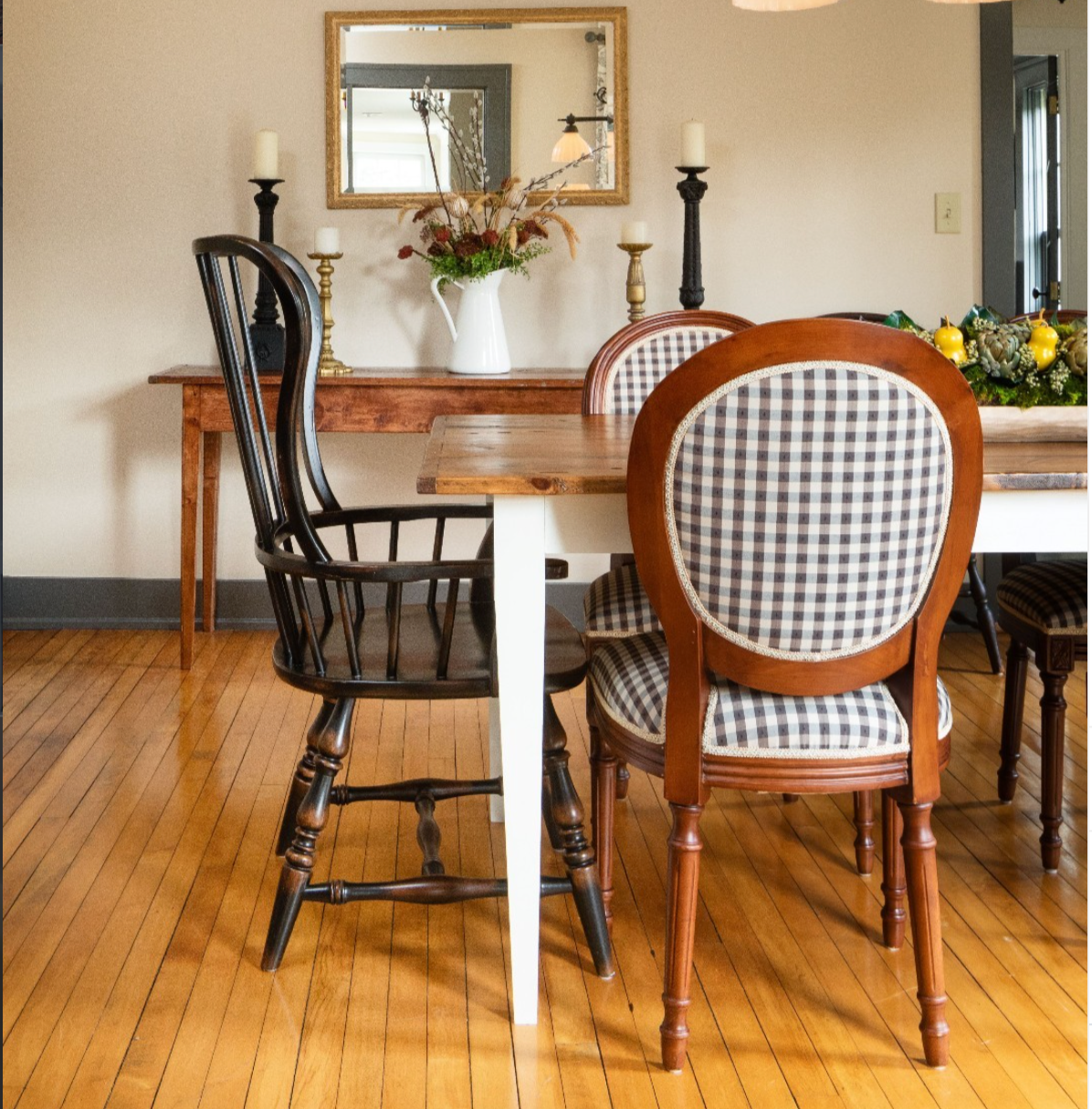
These dining chairs got a new life with a bold gingham check upholstery job.
Craftsmanship Over Convenience
One of the most consistent things I hear from clients right now is some version of: "I'm tired of buying things that fall apart." The fast furniture cycle — buy it, it wobbles within a year, replace it — has worn people down. And when you put a piece of well-made antique furniture next to a modern reproduction, the difference is immediate. You can feel it.
Dovetail joints. Solid wood frames. Hand-carved details. These are things that mass production eliminated decades ago and can't economically bring back. When you find them at an estate sale for a fraction of what a lesser piece would cost new, it stops feeling like compromise and starts feeling like the obvious choice.
"Grandmacore" and the Handmade Revival
If your grandmother had it in her house, there's a very good chance someone is actively searching for it right now. Think: hand-embroidered linens, crewelwork, needlepoint, studio pottery, quilts with visible stitching, and collections of niche objects.
Design culture has fully embraced what's being called "grandmacore" — the aesthetic of a home that looks like it was layered over decades by someone with good taste and strong opinions. The layered, maximalist, deeply personal look that was considered dated for years is now considered aspirational. And the only authentic version of it is the real thing.

Silver Is Back
Brass is still a popular finish these days, but antiques experts across the board are calling 2026 the year silver makes its comeback. Silver-plated pieces, tarnished candlesticks, old serving pieces, pitchers and bowls — the cool, slightly aged quality of silver is exactly the counterpoint that warm, rich interiors need right now. The patina isn't a problem. The patina is the point.
I've been saying this for a while: tarnished silver in a well-styled room is one of the most beautiful things you can put on a table. If you see it at an estate sale, pick it up. Prices are still undervalued relative to where they're heading.
The Sustainable Case
Beyond aesthetics, there's a values dimension to this shift that I think deserves to be named directly. Buying a piece of furniture that was made in 1940 and has already lasted 85 years — and will last another 85 with basic care — is a fundamentally different. The circular economy argument for vintage and antique furniture is genuinely compelling, and a growing number of buyers are making it consciously.
What This Means If You're Hunting
The trends point clearly in one direction for estate sale and antique show shoppers in 2026:
Dark wood furniture — mahogany, walnut, cherry — is underpriced relative to demand and worth picking up
Handmade textiles, crewelwork, needlepoint, and quilts are in high demand
Silver of any kind — plated or sterling, tarnished or polished — is a good investment right now
Pieces with visible craftsmanship (carved legs, dovetail joints, hand-thrown pottery) will always hold value
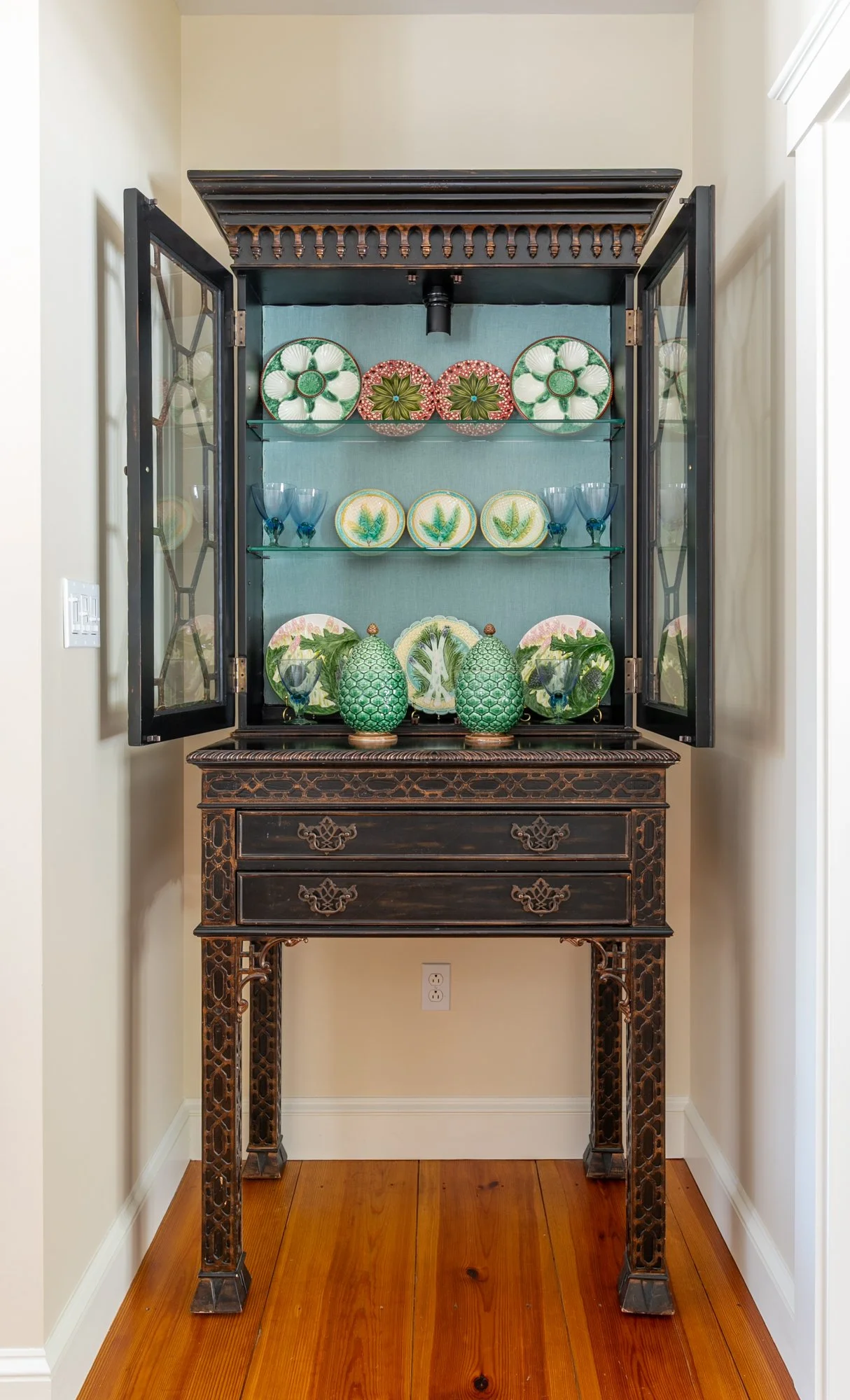
Functional storage — beautiful old cabinets, buffets, chests — combines utility with character in a way no modern piece can match
The hunt has never been more worthwhile.
Read on for my complete guide to antique show, estate sale, and resale resources in New England plus tips for walking estate sales and antique shows — what to look for, what to skip, and how to come home with something worth keeping.
More Antique, Estate, and Resale Posts:
Guide to Antique Shows, Estate Sales and Resale Resources in the New England
What to Look for, What to Skip, and How to Come Home with Something Fabulous